










Oct 24., 2024 / bussines
Forensics Detectors Tutorial: How-To Guide
Forensic detectors play a crucial role in the field of forensic science by aiding investigators in analyzing and identifying various substances found at crime scenes. These sophisticated instruments are designed to detect and analyze explosives, drugs, toxins, and other chemical residues that can provide key evidence in criminal investigations.
From handheld detection devices to advanced laboratory equipment, forensic detectors come in various forms to accommodate the diverse needs of forensic professionals. By utilizing cutting-edge technology and precise analysis capabilities, these detectors enable forensic scientists to collect valuable data that can help solve crimes and bring perpetrators to justice.
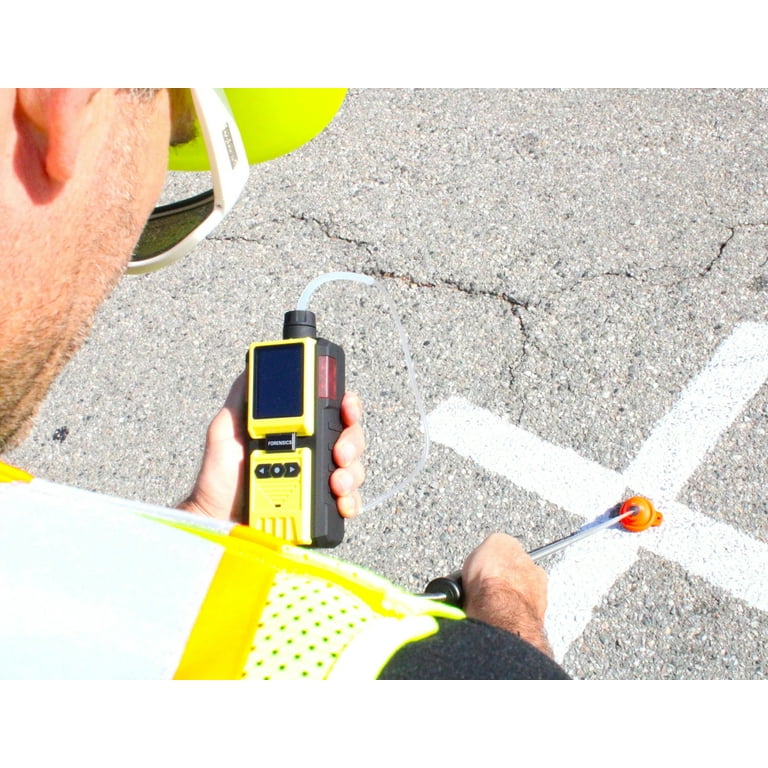
The Importance of Forensic Detectors
Forensic detectors are indispensable tools in the field of forensic science, aiding investigators in analyzing and identifying various substances crucial to criminal investigations. These detectors are utilized across different stages of crime scene analysis, from initial assessment to detailed laboratory testing. By incorporating forensics detectors into their workflow, forensic professionals can accurately pinpoint the presence of explosives, drugs, and other materials that may hold critical evidence. This precision allows them to gather essential data that can help build a case and ultimately bring justice to victims and communities.
Diverse Applications of Forensic Detectors
The versatility of forensic detectors is evident in the wide range of applications they serve within the field of forensic science. These sophisticated instruments come in various forms, including portable handheld devices for on-site use and advanced laboratory equipment for in-depth analysis. Whether it’s detecting trace amounts of toxins or identifying unknown substances, forensics detectors offer unparalleled capabilities that aid forensic scientists in unraveling intricate crime scenes. Through their precise analysis and cutting-edge technology, these detectors play a vital role in providing crucial evidence that can help solve complex cases and ensure that perpetrators are held accountable for their actions.
In addition to aiding in the identification of substances, forensic detectors also play a crucial role in ensuring the integrity of evidence collection and analysis. By providing accurate and reliable results, these detectors help maintain the chain of custody and uphold the standards of forensic investigation. Without the use of advanced detectors, forensic scientists would face significant challenges in analyzing complex crime scenes and providing critical evidence in court. Therefore, the importance of forensic detectors cannot be overstated in their contribution to solving crimes and delivering justice to victims and society as a whole.

LEAVE A REPLY